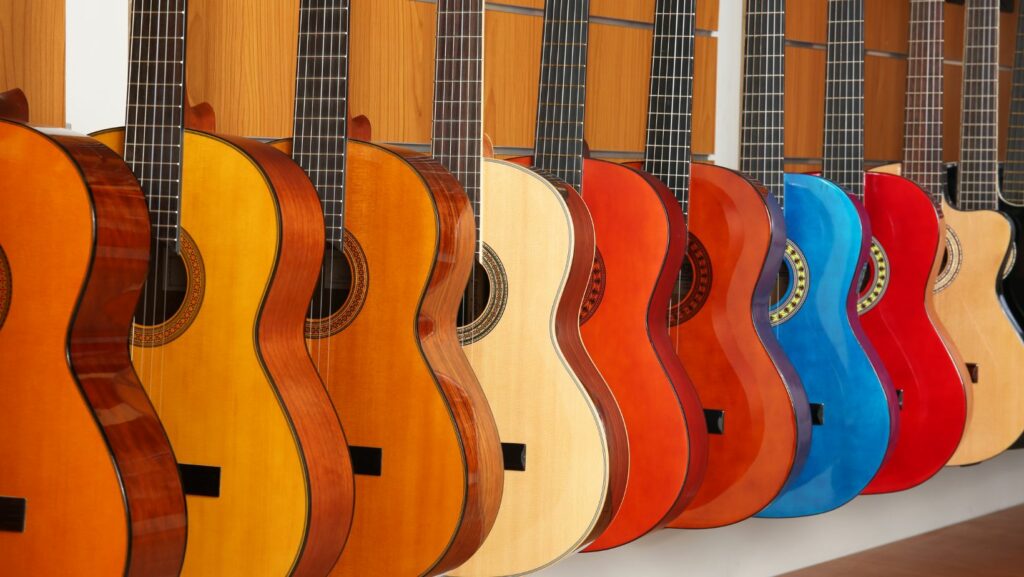

Are you ready to turn your passion for music into profit? Selling music gear can feel like trying to hit a high note, challenging but oh-so-rewarding. Picture this: your closet overflowing with instruments and equipment, just waiting for someone to appreciate them as much as you do. Whether it’s guitars, keyboards, or those 80s synths that need a new home, we’re here to help you navigate the vibrant world of music gear sales. Let’s jump into understanding the market, choosing platforms, pricing like a pro, and creating listings that make buyers hit that ‘Purchase’ button faster than a drummer on tempo.
Understanding the Market for Music Gear
To sell music gear effectively, we first need to grasp the market landscape. Understanding who buys music gear can provide us with valuable insights to tailor our approach.
Identifying Your Target Audience
Our target audience can range from amateur musicians to professional producers. Think about who your gear appeals to: are they hobbyists, up-and-coming bands, or possibly even seasoned artists looking for that vintage sound? Knowing our audience helps us connect and craft our sales pitches.
Popular Types of Music Gear to Sell
Now, let’s talk about what gear we can offer. Guitars and amplifiers are classics, and they always have a following. Synthesizers, recording equipment, and even accessories like microphones are in demand too. Knowing what’s hot can help us focus our efforts and inventory.
Choosing the Right Selling Platform
Once we’re informed about our audience and the gear, it’s time to choose where to sell it. The right platform can determine our success in this venture.
Online Marketplaces vs. Local Options
Online marketplaces like eBay, Reverb, and Facebook Marketplace offer a wide reach, allowing us to connect with buyers from all over. They offer convenience and potentially better prices. But, local options like Craigslist or music shops can allow for face-to-face interactions, giving us the chance to negotiate and foster relationships. Deciding between these options will depend on what we’re selling and our preferences.
Setting Competitive Prices
Next up is pricing. We want our gear to fly off the shelves, but we also don’t want to undercut our worth.
Researching Market Prices
We recommend starting with a price check across platforms. Research similar items to gauge the going rates. Are we selling a rare guitar or a more common model? This plays a huge role in setting a competitive yet fair price. Remember, it’s all about balancing appealing to buyers while ensuring we’re getting a return on our investment.
Creating Attractive Listings
Once we’ve nailed down our pricing, it’s time to showcase our gear. An attractive listing can make all the difference in standing out amongst a sea of sellers.
Photography and Descriptions that Sell
Let’s face it: a picture is worth a thousand words. High-quality images from different angles help buyers envision the gear in their own setup. Pair this with detailed descriptions highlighting unique features, conditions, and any history behind the item. We want to create an appealing narrative that invites potential buyers into our world of music.
Building Trust and Reputation
Finally, let’s talk about building trust. Crafting a positive reputation is essential in the selling game: it keeps customers coming back.
Customer Service and Communication
Prompt communication is key. By responding quickly to inquiries, we show buyers that we’re reliable. Positive experiences lead to positive reviews, which can majorly influence future sales. Let’s also be transparent about our items. Honesty goes a long way in establishing trust within our community.